


This course is offered as a hybrid format; you may attend in-person or by live webinar (via Zoom).
Course Intended For Massage Therapists Only – NCBTMB Approved for 3 CE Credits
Did you know that you can use your client’s posture to guide your massage techniques? The structure of the client will give you the inside scoop on what muscles and muscle groups would be tight and which ones will be weak. This course will teach you about normal posture, how to read your client’s posture and use their posture to guide your massage techniques. This course will be unlike any educational program you have experienced as a massage therapist.
Course Outline:
Introduction to Posture and Postural Evaluation
- Discuss Normal Posture
- Discuss the Cartesian Coordinate System
- Cartesian Coordinate and Posture
- Postural Rotations along each axis
- Postural Translations along each axis
- Postural Analysis
Using Posture to Guide Massage Techniques
- Digital Postural Analysis
- Common Posture seen in the Cervical and Thoracic Spine
- Common Postures seen in the Lumbar and Pelvis
- Muscle Groups associated with the most common Postural Patterns
By the conclusion of this class, participants should be able to:
- Analyze whether posture deviates from normal using the Cartesian Coordinate System
- Identify common posture seen in the cervical, thoracic, lumbar spine and pelvis
- Explain how to use a client’s posture to guide massage techniques
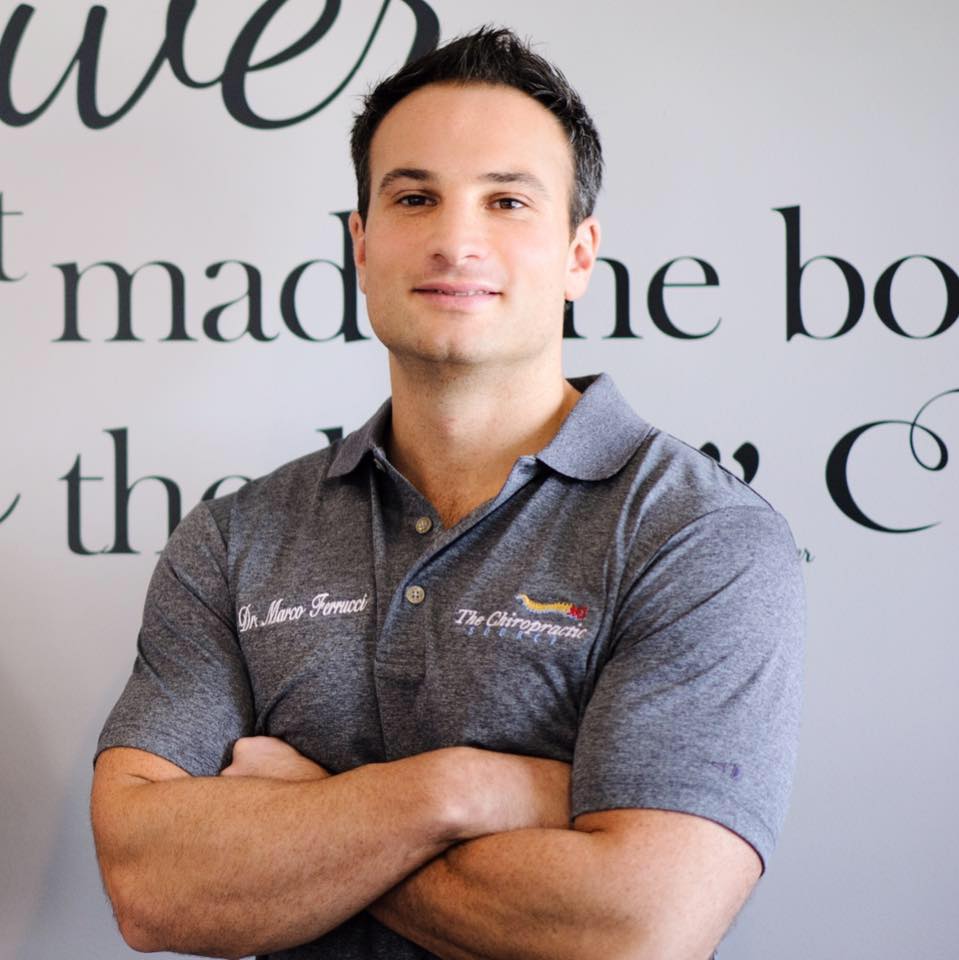
Instructor: Dr. Marco Ferrucci, DC
Dr. Ferrucci runs a premier wellness center in Cedar Grove, NJ, treating patients for all aspects of chiropractic, health and wellness. He is also an adjunct professor at William Paterson University, Department of Kinesiology. He has special certification in Spinal (Postural) Corrective Care as well as post-graduate training in Functional Neurology and Functional Blood Chemistry Analysis.
Live webinars are interactive and as such, are live credits, not distance learning. Anyone registered to attend this class as a live webinar will receive instructions for how to sign in to the webinar. You will need speakers to hear the instructor; you should also have a webcam and microphone so you can interact with him. Most laptops, tablets and smartphones have these features.
| Dates: | Attend at Our School: Sunday, June 14, 2026 9:30am-12:30pm EST, Live Webinar: Sunday, June 14, 2026 9:30am-12:30pm EST |
|---|
Related products

Chiropractic



Chiropractic
Chiropractic

Massage Therapy
Chiropractic
Chiropractic