



6 CEUs for NJ Physical Therapists and Physical Therapy Assistants
This hands-on course explores how to use manual muscle testing (the foundation of Applied Kinesiology (AK)) as a diagnostic and therapeutic system to evaluate patient progress and identify functional imbalances.
The course begins with an introduction to manual muscle testing techniques and their role in assessing neuromuscular function. Participants will then examine the five key factors of the Intervertebral Foramen (IVF) and their impact on movement and health:
- Neuro Lymphatic Reflexes (NL)
- Neuro Vascular Reflexes (NV)
- Acupuncture Meridian Connect Circuits (AMC)
- Cerebrospinal Fluid and Respiratory Patterns (CSF)
- Nerve Involvement – Subluxations and Fixations (N)
Also covered in this class: the practical application of spindle cell and Golgi tendon organ stimulation to restore muscle balance, the significance of the gait reflex system of the foot, reactive muscle patterns, and the PRY-T Technique, which incorporates roll, pitch, and yaw movements to assess and restore functional joint and muscle relationships.
INSTRUCTOR:
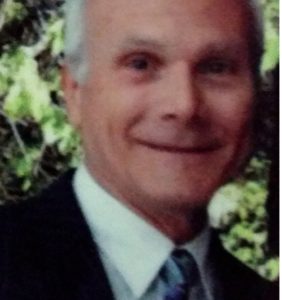
Dr. Paul Sprieser, DC, DIBAK, has been a practicing chiropractor since 1969. In 1983, he became a Diplomate of the International College of Applied Kinesiology and since then, has been teaching healthcare and dental professionals (as well as veterinarians) about Applied Kinesiology and other topics. For years, he often co-lectured with the founder of Applied Kinesiology, the late George Goodheart.
Dr. Sprieser has been involved in clinical research in the areas of AK, learning disabilities, TMJ dysfunction and general health problems for over 30 years. He has published over 80 papers and is awaiting publication of a book for the general public on Applied Kinesiology.
CONTINUING EDUCATION APPROVAL:
This class is approved for 6 credits by the New Jersey Board of Physical Therapy Examiners through 1/31/26, approval #2509-146.
| Date: | Thursday, December 4, 2025 9:00am-3:30pm EST, Thursday, January 29, 2026, 9:00am-3:30pm EST |
|---|
Related products
Chiropractic

Chiropractic
Chiropractic


Chiropractic

Chiropractic
Chiropractic
Chiropractic